What is indirect procurement?
Indirect procurement is the buying of products and services that support daily business operations but are not usually resold as the company's main product.
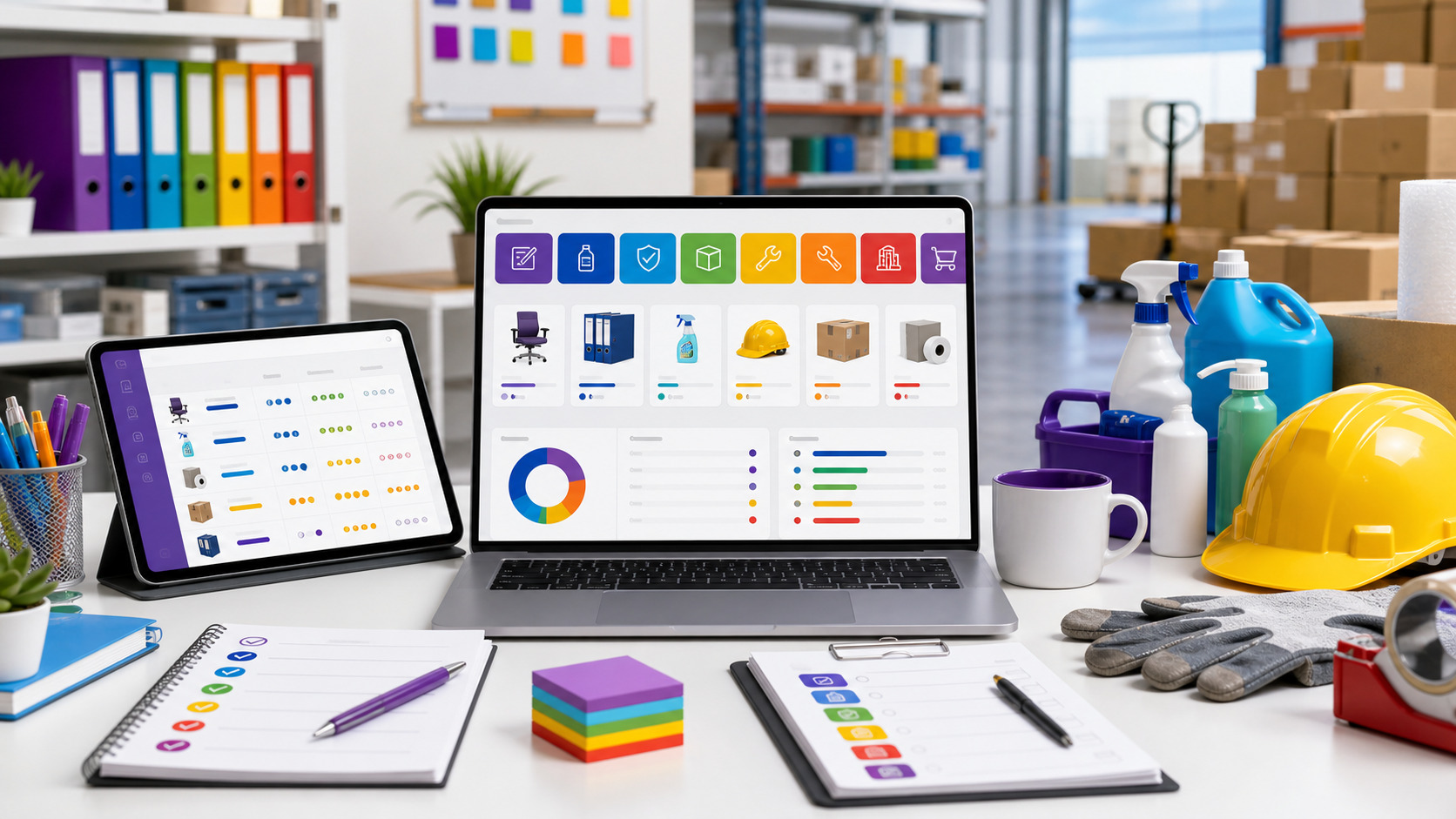
For a small business, office, hotel, hospital, factory, commercial building, or service company, indirect procurement can include office supplies, housekeeping products, cleaning chemicals, safety items, personal-care consumables, packaging materials, tools, facility supplies, and maintenance products.
These purchases may not always sit at the center of the business, but they directly affect how smoothly the business runs.
Direct procurement vs indirect procurement
Direct procurement is usually tied to the products a business sells or manufactures. For example, a manufacturer buying raw materials or a retailer buying inventory for resale.
Indirect procurement supports the business itself. These are the items teams use to keep workplaces, facilities, operations, customer areas, and support functions running.
The difference matters because indirect procurement is often spread across many categories, suppliers, departments, and buying habits. Without structure, it becomes hard to control.
Why indirect procurement gets messy
Indirect procurement often starts informally.
One person orders stationery. Another person handles cleaning supplies. A facility team calls a known vendor for safety items. A manager approves urgent purchases when something runs out.
This works for a while, but as the business grows, the process becomes scattered. Product information stays in chats, supplier details are not updated, price comparison is inconsistent, and repeat buying depends too much on memory or individual contacts.
The result is not just extra admin work. It can lead to delayed orders, wrong products, inconsistent quality, duplicate purchases, and unclear supplier accountability.
Common indirect procurement categories
Most growing businesses deal with several repeat buying categories.
Office Items & Supplies include stationery, paper, office consumables, furniture, and workplace essentials.
Cleaning And Janitorial Supplies include cleaning chemicals, tools, tissues, dispensers, dryers, disposables, and sanitation items.
Safety And Security Products include PPE, warning signs, fire protection, first aid, surveillance products, and facility safety supplies.
Health & Personal Care includes hygiene, health, and facility-use consumables for workplaces.
Industrial Supplies include packaging materials, tapes, abrasives, chemicals, oils, spill sorbents, and other operating supplies.
Building Materials include sanitaryware, lighting, surfaces, finishes, furniture, roofing, and commercial facility materials.
These categories need practical sourcing because buyers often need the right specification, quantity, delivery timeline, and supplier support before placing an order.
Why growing businesses should organize indirect procurement
A structured indirect procurement process helps teams buy with more clarity.
It gives the business better visibility into what is being purchased, who supplies it, how often it is needed, and whether the same product or supplier can be used again.
This is useful for repeat buying, bulk requirements, sample requests, product comparison, and supplier evaluation.
It also helps teams avoid last-minute purchases. When commonly used items are planned better, the business can reduce urgent follow-ups and make buying decisions with more time and context.
What a better indirect procurement workflow looks like
A practical workflow does not need to be complicated.
Start by listing regular purchase categories. Identify products that are bought frequently. Keep supplier details and product catalogues accessible. Use enquiries for bulk or unclear requirements. Request samples when quality or fit matters. Compare suppliers beyond price. Keep order and enquiry history organized.
For teams with multiple people involved, this structure reduces confusion and makes procurement easier to repeat.
Where Sampley fits in
Sampley is built to support the practical side of indirect procurement.
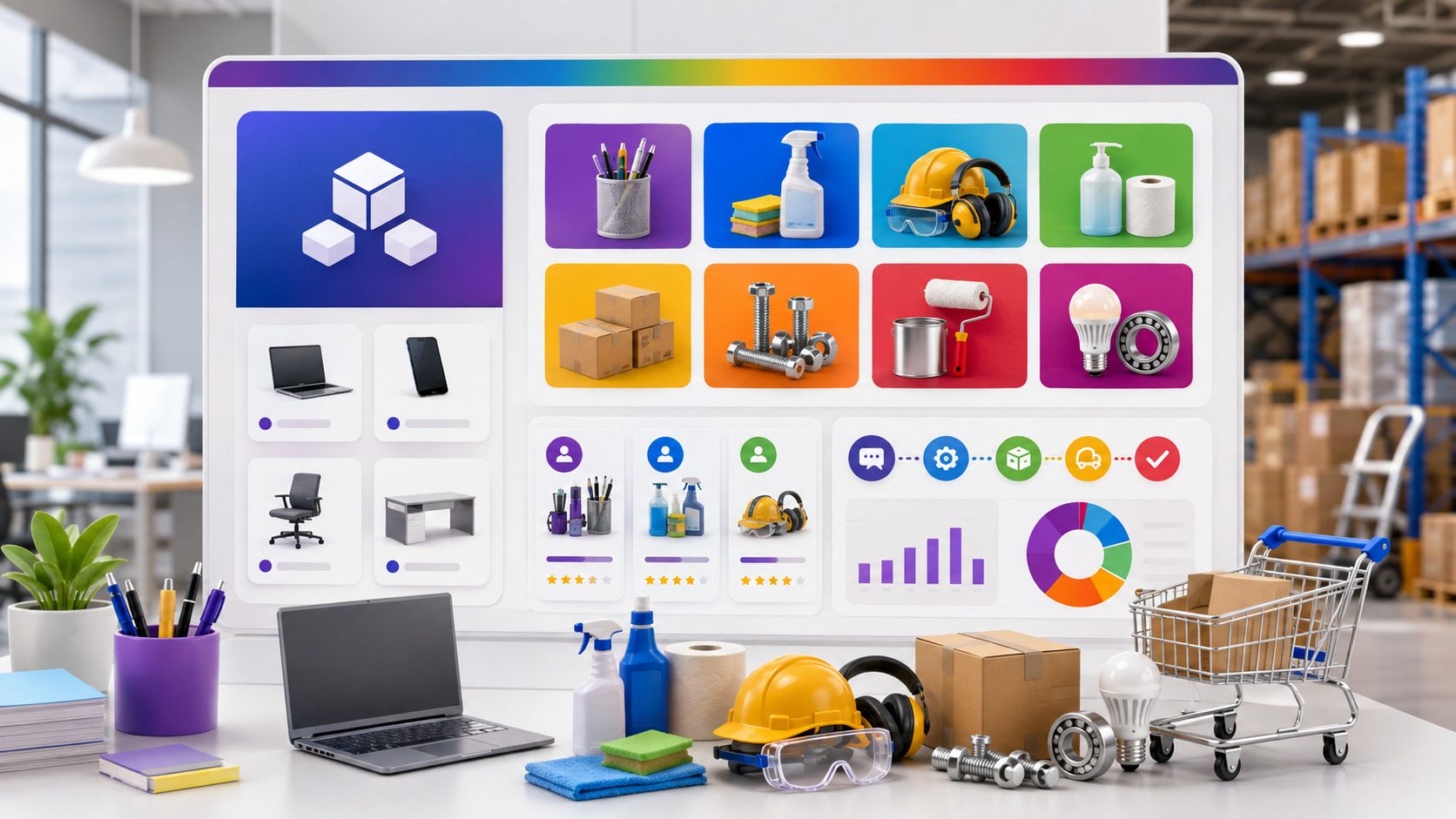
Business buyers can discover relevant product categories, find suppliers, raise enquiries, request samples, and move toward orders with better information.
For sellers, brands, and distributors, Sampley creates a way to list products, manage catalogues, receive buyer enquiries, and support B2B commerce workflows more clearly.
The goal is to reduce fragmented buying and selling across calls, messages, spreadsheets, and scattered catalogues.
Indirect procurement is an operations issue
Indirect procurement is not only a purchasing task. It affects operations, facility readiness, employee productivity, customer-facing spaces, and everyday service quality.
When businesses organize it properly, they gain better control over repeat purchases, supplier relationships, product availability, and buying decisions.
That is why indirect procurement matters for growing businesses. It is one of the everyday systems that keeps the business moving.
Ready to plan your next business purchase?
Send your bulk requirement.
Request product sample.
Talk to Sampley.
FAQ
Frequently Asked Questions
Quick answers pulled directly from this article for easier reading and better sharing previews.
What does indirect procurement mean?
Indirect procurement means buying products and services that support business operations but are not usually resold as the company's main product.
What are examples of indirect procurement products?
Examples include office supplies, housekeeping products, cleaning chemicals, safety items, packaging materials, facility consumables, tools, and maintenance products.
Why is indirect procurement important for small businesses?
It helps small businesses control repeat buying, reduce last-minute sourcing, compare suppliers better, and keep daily operations running smoothly.
How can Sampley help with indirect procurement?
Sampley helps buyers discover product categories, find suppliers, raise enquiries, request samples, and manage business buying workflows with more clarity.