Bulk buying should be planned, not rushed
Bulk buying can make business procurement easier when it is handled with the right structure.
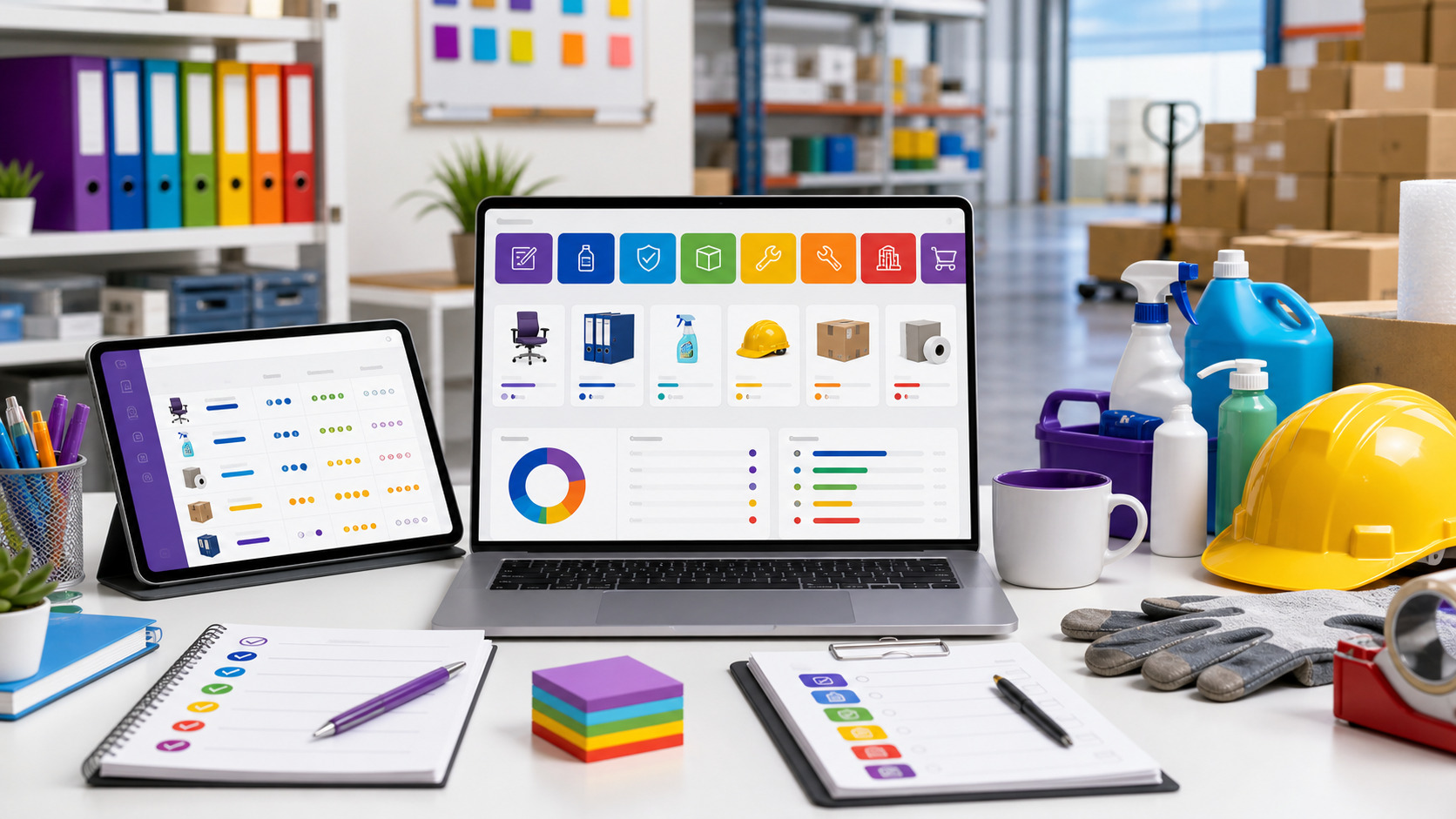
Offices, facilities, hotels, hospitals, commercial buildings, factories, and service businesses often buy repeat-use products in larger quantities. These can include office stationery, cleaning supplies, tissues, dispensers, safety items, packaging materials, industrial consumables, and facility maintenance products.
The goal is not to buy more for the sake of it. The goal is to buy the right products, in the right quantity, from the right supplier, with fewer repeated follow-ups.
Start with repeat-use products
The best products for bulk buying are usually the ones your business uses regularly.
Office paper, stationery, housekeeping supplies, cleaning chemicals, garbage bags, tissues, gloves, masks, safety signs, packaging materials, tapes, and facility consumables are common examples.
Before placing a bulk order, check how often the product is used, how quickly stock runs out, whether the product has a shelf life, and whether your team has enough storage space.
This prevents overbuying and keeps procurement practical.
Define the requirement clearly
A vague bulk requirement creates confusion for both buyers and suppliers.
Instead of asking for a general product, define the category, product type, quantity range, preferred brand if any, required specifications, delivery location, timeline, and whether a sample is needed.
For example, a requirement for cleaning products should clarify product type, usage area, pack size, fragrance preference if relevant, dilution requirement, safety expectations, and approximate monthly consumption.
Clear requirements help suppliers respond with better options.
Compare suppliers beyond price
Bulk buying often puts too much attention on the lowest quote.
Price matters, but business buyers should also compare product quality, stock availability, delivery capability, minimum order quantity, response time, replacement support, sample availability, and repeat supply reliability.
A cheaper supplier is not always better if the product is inconsistent, delivery is unreliable, or support becomes difficult after the first order.
For repeat procurement, supplier reliability becomes part of the total value.
Request samples when product fit matters
Samples are useful when a product affects quality, safety, hygiene, appearance, comfort, or user experience.
Businesses should consider samples before bulk buying housekeeping products, cleaning chemicals, safety products, display materials, office furniture, building materials, hygiene products, and other items where fit and finish matter.
A sample helps the buyer check quality before committing to larger quantities. It also reduces the risk of stock sitting unused because the product was not suitable.
Plan storage and reorder timing
Bulk buying only works when storage and reorder timing are planned.
If a business orders too much, products can take up space, expire, get damaged, or become unsuitable. If it orders too little, the team returns to urgent buying and repeated follow-ups.
Track usage patterns and set reorder points for common items. This is especially useful for facility teams, housekeeping teams, office administrators, and operations managers who handle repeat purchases.
Keep catalogue and order history accessible
Bulk procurement becomes easier when product details, supplier information, sample notes, enquiry history, and past orders are easy to access.
This helps teams reorder the same product, compare suppliers, review earlier decisions, and avoid asking the same questions again.
It also helps when more than one person is involved in buying or approval.
How Sampley supports bulk buying
Sampley is built to help businesses make bulk buying more organized.
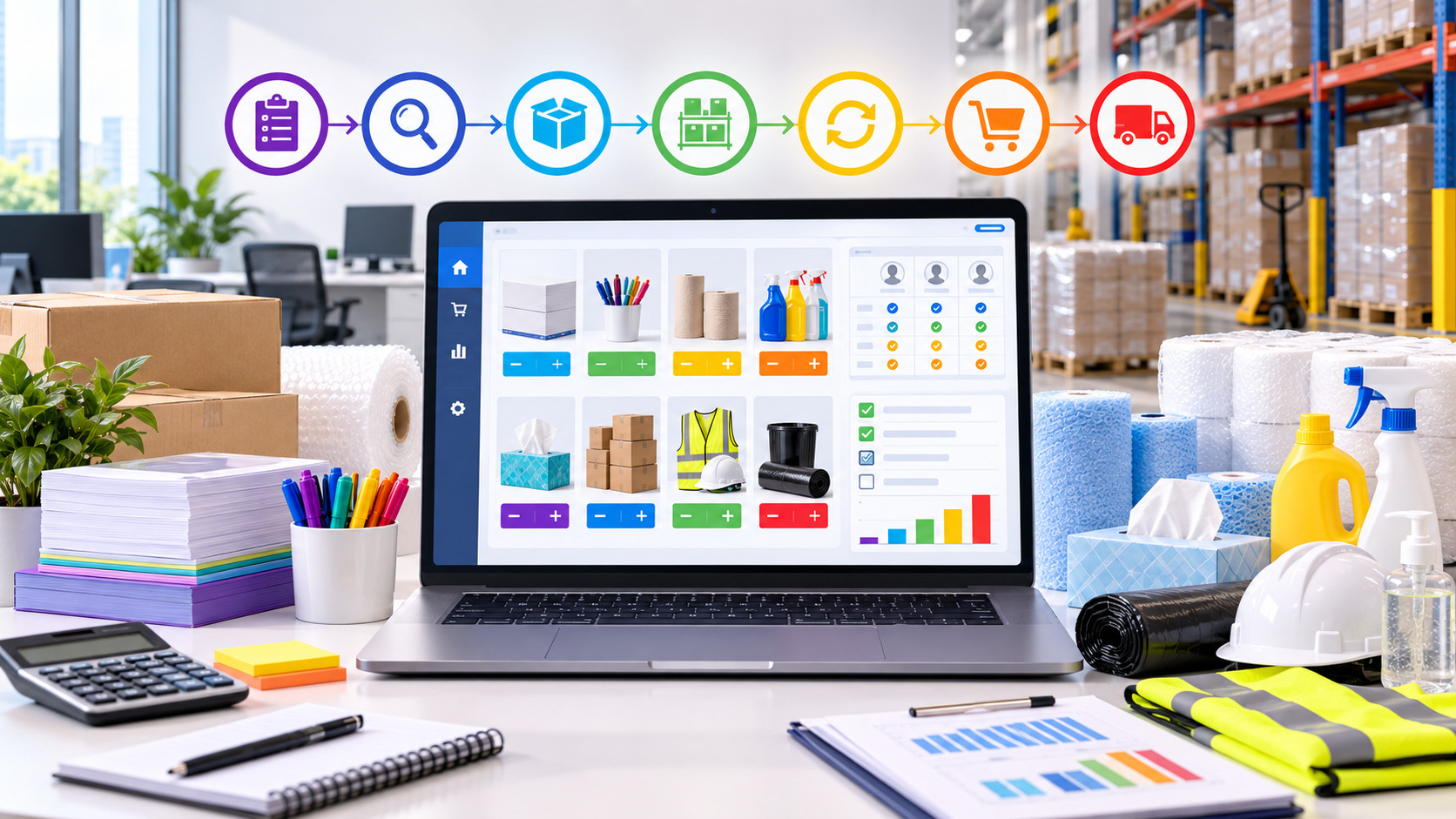
Buyers can discover relevant product categories, find supplier options, raise bulk enquiries, request samples, compare supplier responses, and move toward orders with more clarity.
For sellers, distributors, and brands, Sampley helps present product catalogues, receive buyer requirements, and support B2B purchase workflows in a more structured way.
This creates a better process for both sides: buyers communicate requirements clearly, and suppliers respond to real business demand.
A simple bulk buying checklist
Before placing a bulk order, confirm the product category, quantity, specification, usage rate, storage space, delivery timeline, supplier reliability, sample need, and reorder plan.
If the purchase will repeat, keep the supplier and product record easy to find. That one habit can save time on every future order.
Ready to plan your next bulk purchase?
Send your bulk requirement.
Request product sample.
Talk to Sampley.
FAQ
Frequently Asked Questions
Quick answers pulled directly from this article for easier reading and better sharing previews.
What products are good for bulk buying?
Repeat-use products such as office supplies, cleaning products, tissues, packaging materials, safety consumables, and facility supplies are often suitable for bulk buying.
Should businesses request samples before bulk buying?
Yes, samples are useful when quality, fit, finish, hygiene, safety, comfort, or usability matters before committing to a large quantity.
How should businesses compare bulk suppliers?
Businesses should compare price, product fit, availability, minimum order quantity, delivery capability, response time, sample availability, and repeat supply reliability.
How does Sampley help with bulk buying?
Sampley helps buyers discover categories, find supplier options, raise bulk enquiries, request samples, compare responses, and move toward orders with more clarity.