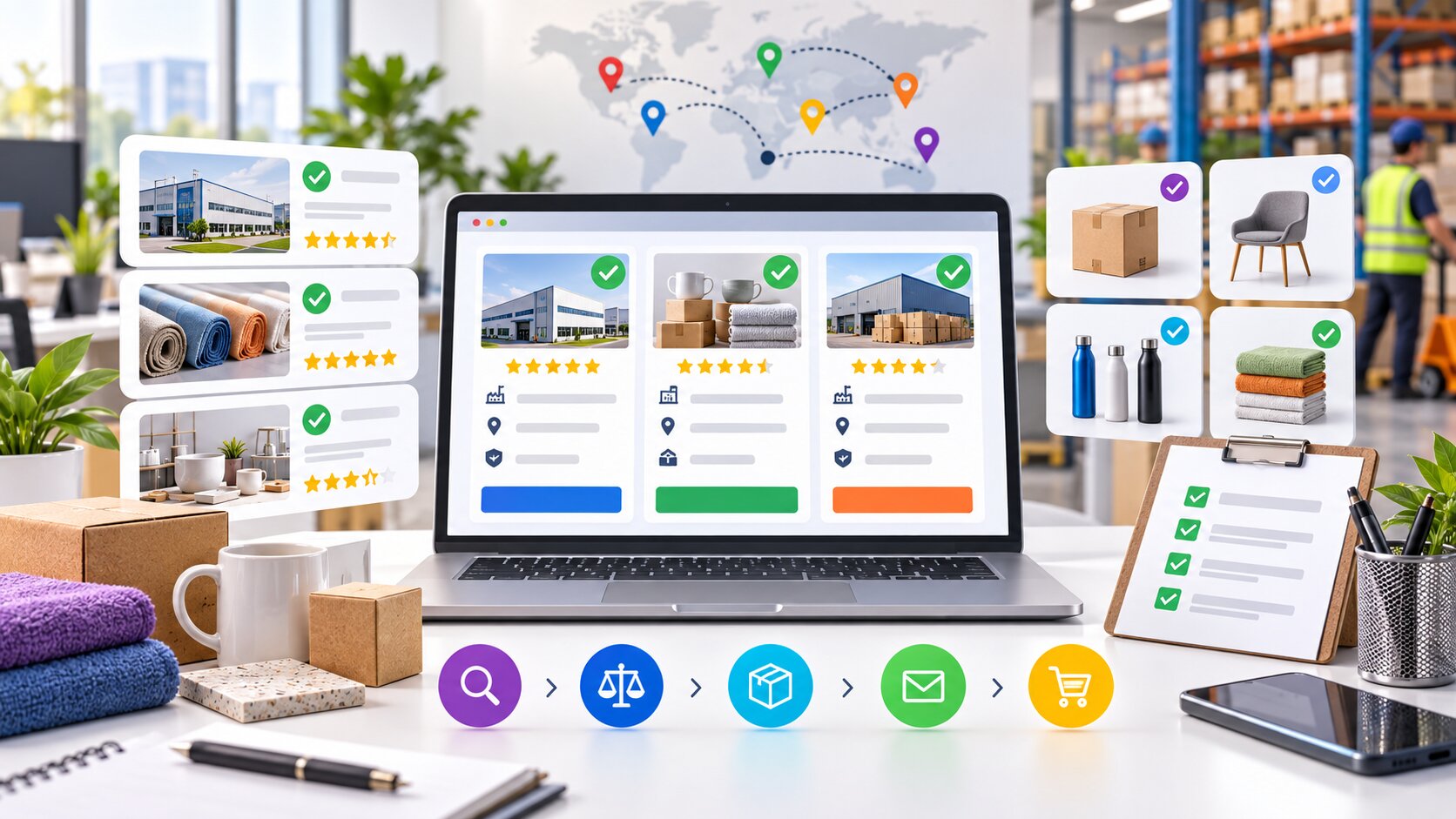
Why supplier trust matters in business buying
Business buying depends on more than finding a product at the lowest visible price.
When a company buys office supplies, housekeeping products, safety items, industrial supplies, packaging materials, building materials, or facility consumables, the buyer also needs confidence in the supplier.
Can the supplier handle the quantity? Are the product details clear? Is the catalogue current? Can the buyer ask for samples? Will the supplier respond properly when the requirement is specific or urgent?
These questions matter because a wrong supplier choice can create delays, wrong products, repeated follow-ups, and operational disruption.
What does a verified supplier mean?
A verified supplier is a supplier whose business presence, product scope, catalogue, and selling readiness are easier for buyers to evaluate.
Verification does not mean buyers should stop asking questions. It means the starting point is stronger. The buyer has better information before raising an enquiry, requesting a sample, or discussing a bulk requirement.
For business procurement, that clarity saves time.
The problem with random supplier discovery
Many businesses still discover suppliers through search results, old vendor lists, forwarded PDFs, marketplace listings, referrals, or WhatsApp catalogues.
This can work for simple purchases, but it becomes weak for bulk buying and repeat procurement.
The buyer may not know whether the supplier is active, whether the catalogue is updated, whether the product category is a real focus area, or whether the supplier can support commercial requirements.
Random discovery also makes comparison harder. Buyers end up comparing incomplete information instead of comparing clear product fit, availability, response quality, and support capability.
Verified suppliers reduce buying friction
Verified suppliers help buyers move with more confidence because the buying process starts with clearer supplier context.
A buyer can focus on the actual requirement: category, quantity, specification, sample need, delivery expectation, and commercial fit.
This is especially useful for products used in offices, commercial buildings, hotels, hospitals, factories, facility teams, and service operations where repeat buying is common.
When supplier information is structured, teams spend less time checking basics and more time making the right purchase decision.
Better supplier comparison goes beyond price
Price is important, but it is not enough.
For business buying, supplier comparison should include product range, category fit, minimum order quantity, response time, delivery capability, support quality, catalogue clarity, sample availability, and repeat supply reliability.
A slightly lower price does not help if the product is wrong, delivery is delayed, or the supplier cannot support future requirements.
Verified supplier discovery gives buyers a better base for comparing these practical factors.
Why samples matter before bulk buying
For many business products, buyers should not commit to a large quantity before checking the product properly.
Samples can help with material quality, finish, size, fit, usability, packaging, durability, hygiene expectations, safety requirements, or brand preference.
This matters for categories such as cleaning supplies, safety products, health and hygiene products, display materials, office items, packaging, and building or facility products.
A supplier workflow that supports sample requests can reduce risk before a bulk order.
How verified suppliers help repeat procurement
The first purchase is only one part of the relationship.
Growing businesses often need repeat buying for the same or similar products. If the supplier is reliable, the buyer can reorder faster, reduce repeated evaluation, and build a more predictable procurement process.
This is why supplier reliability matters. A good supplier relationship supports future enquiries, repeat orders, product alternatives, and category expansion.
Where Sampley fits in
Sampley is built to make supplier and product sourcing more organized for business buyers.
Buyers can discover product categories, evaluate supplier options, raise enquiries, request samples, and move toward bulk or repeat buying with more clarity.
For sellers, distributors, and brands, Sampley provides a way to present catalogues, receive buyer enquiries, and build marketplace visibility with a practical B2B workflow.
This creates value on both sides. Buyers get better sourcing. Sellers get clearer demand.
A practical supplier sourcing checklist
Before choosing a supplier, buyers should ask a few basic questions.
Does the supplier deal in the category you need? Are product details clear? Can they support the required quantity? Can they provide samples where needed? Is delivery practical for your location and timeline? Is the supplier suitable for repeat buying?
When these questions are answered early, procurement becomes easier to manage.
Ready to source from better suppliers?
Send your bulk requirement.
Request product sample.
Talk to Sampley.
FAQ
Frequently Asked Questions
Quick answers pulled directly from this article for easier reading and better sharing previews.
Why are verified suppliers important for business buying?
Verified suppliers give buyers a stronger starting point by making supplier context, product scope, catalogue information, and selling readiness easier to evaluate.
Should businesses compare suppliers only on price?
No. Businesses should also compare product fit, availability, minimum order quantity, delivery capability, response time, sample availability, and repeat supply reliability.
When should a buyer request a product sample?
A buyer should request a sample when quality, fit, finish, usability, packaging, safety, or hygiene expectations matter before a bulk purchase.
How does Sampley help with supplier sourcing?
Sampley helps buyers discover product categories, evaluate supplier options, raise enquiries, request samples, and manage procurement workflows with more clarity.